Fulfilling Shopify orders sounds simple when a business has only one location.
An order comes in, the team picks the item, packs it, and sends it out.
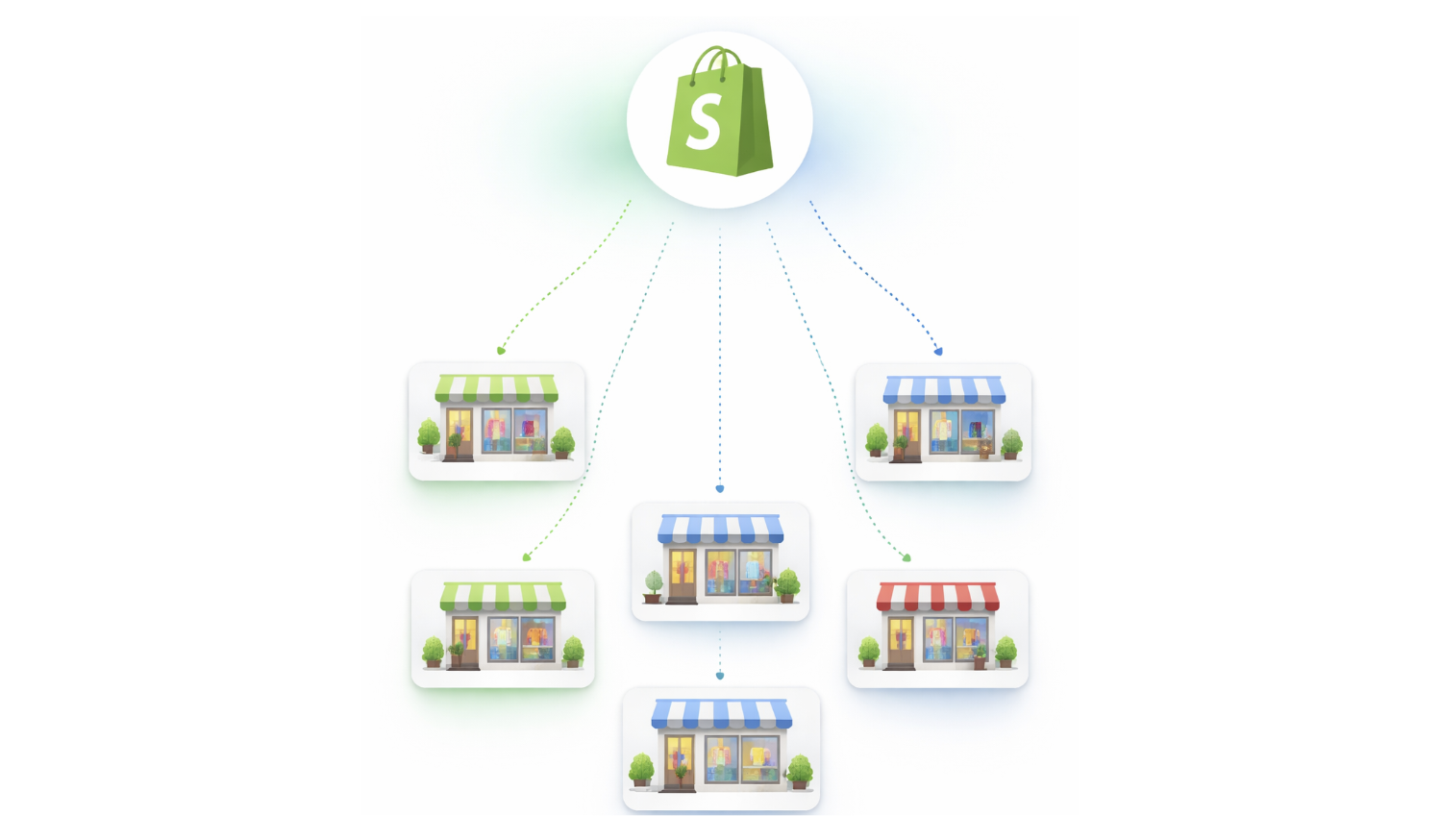
But once a retailer starts selling through multiple branches, the fulfillment process becomes more complex. The business now has to decide which store should handle the order, whether that store actually has stock available, and whether fulfilling from that location makes operational sense.
This is where many growing retailers start running into avoidable problems.
An order gets assigned to the wrong branch. A store appears to have stock, but the quantity is outdated. Staff discover the issue only after the order has already been accepted. Then the team has to reroute the order, manually adjust inventory, or delay fulfillment.
The result is not just inconvenience. It affects customer experience, staff efficiency, and inventory accuracy.
The good news is that this becomes much easier when order fulfillment is based on live stock visibility and a cleaner branch-level workflow.
Why branch-based fulfillment matters
Once a business operates more than one branch, not every order should be handled the same way.
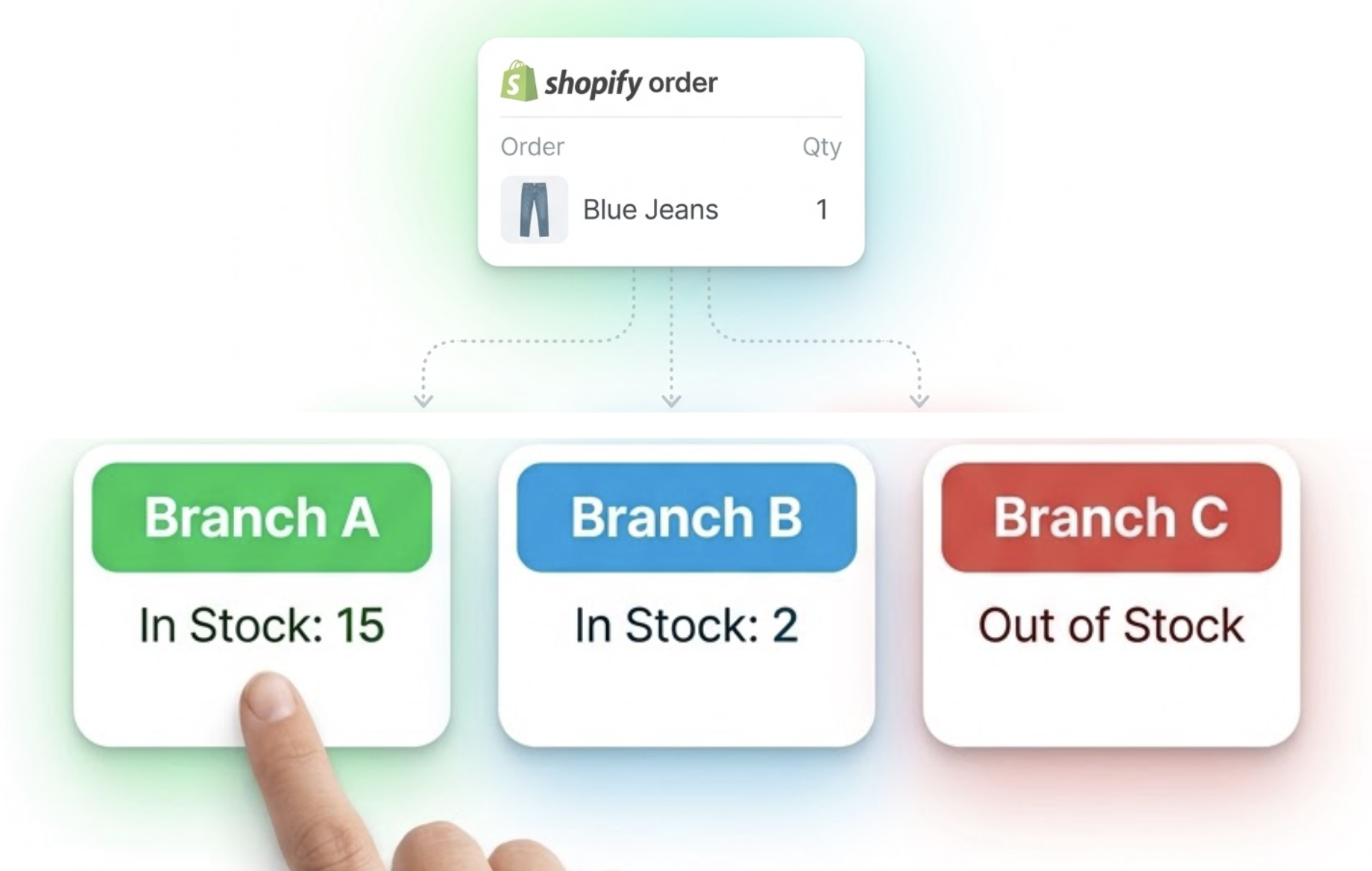
One store may have enough stock to fulfill immediately. Another may be low on inventory. A third location may technically have stock, but it may not be the best branch to use for that order because the quantity is already reserved or needed for walk-in demand.
This is why multi-branch fulfillment is not just about shipping an order from any available place. It is about choosing the right location based on actual branch conditions.
That becomes even more important when the same business is selling through Shopify, serving in-store customers, and moving stock between locations at the same time.
A stronger multi-branch inventory and order management setup helps make these decisions more reliable.
What goes wrong when the wrong branch is selected
When Shopify orders are assigned without real branch visibility, the business often runs into the same pattern of problems.
The selected branch does not actually have the stock
The system may show quantity, but that quantity may not reflect recent sales, transfers, returns, or pending activity.
The team only discovers the problem after trying to fulfill the order.
Another branch would have been a better choice
A different location may have had healthier stock, fewer fulfillment issues, or a smoother operational position. But without clear visibility, the order gets sent to the wrong branch first.
Staff have to reroute the order manually
Now the team has to coordinate internally, move the order, communicate between branches, and sometimes adjust the stock afterward.
This increases both delay and error risk.
Inventory confidence goes down
When order assignment keeps creating exceptions, teams stop fully trusting the stock numbers. That usually leads to more manual checking, more calls between stores, and slower fulfillment decisions.
This is one reason businesses benefit from Shopify retail POS integration, because order handling should stay close to actual branch operations.
What data you need before choosing a branch
To fulfill Shopify orders from the right store or branch, retailers need more than a total stock number.
They need branch-level operational visibility.
That usually means having access to:
- current stock available in each branch
- recent sales activity affecting that branch
- transfer activity between locations
- low-stock conditions
- whether a returned or exchanged item has already been processed correctly
- which location is actually ready to fulfill
The goal is to make fulfillment decisions using real availability, not assumptions.
This is where multi-location inventory management becomes essential. A business needs to understand not just what it owns, but where it is actually available right now.
Why total stock is not enough
A common mistake in multi-store retail is relying too much on total stock across the business.
For example, a product may show twelve units in total. On paper, that sounds safe.
But in reality:
- eight units may be in a warehouse
- two may be in one branch
- one may already be tied to a recent return flow
- one may be in another branch with heavy local demand
So even though the business has stock overall, not every location is equally able to fulfill the order.
That is why the best fulfillment decision comes from branch-wise visibility, not only from combined totals.
How live stock visibility improves fulfillment accuracy
When branch stock is visible clearly, the decision becomes much easier.
The business can ask practical questions such as:
- Which branch actually has sellable stock right now?
- Which location is least likely to face a stock conflict?
- Which branch can fulfill without needing internal transfer first?
- Which store should keep its stock for local counter demand?
- Does the order need to be routed differently based on availability?
These are operational decisions, not just inventory questions.
That is why order fulfillment and inventory control should never be treated as separate systems.
A more connected shopify order fulfillment through POS flow helps businesses route orders with more confidence.
Common mistakes retailers make with multi-branch fulfillment
Retailers usually do not struggle because the idea is complicated. They struggle because the process is often too loose.
Here are some common mistakes.
Assigning orders based on guesswork
A manager assumes one branch probably has stock and sends the order there.
That may work sometimes, but it is not reliable enough for growing operations.
Choosing the nearest or usual branch every time
Some businesses always route orders to the same location out of habit.
That ignores actual stock conditions and increases the risk of branch-level stock pressure.
Ignoring transfer timing
A location may appear capable of fulfillment only because the team assumes stock will arrive soon.
If the transfer is delayed, the order is delayed too.
To make stock movement more dependable, businesses need stronger multi-location and branch inventory transfer visibility.
Separating order decisions from inventory reality
If the fulfillment decision is made in one place and the true branch stock picture lives somewhere else, the workflow becomes fragile.
That usually leads to manual correction later.
Not thinking about store-level selling pressure
A branch may technically have stock, but if it is a high-demand counter location, using that branch for online fulfillment may create more in-store stock issues later.
The best branch is not always the one that simply has quantity. It is the one that can fulfill most safely and cleanly.
How a healthier fulfillment workflow looks
A better fulfillment workflow is usually structured around a few simple principles.
1. Review live branch stock first
Before assigning the order, the business should see actual stock by location.
That makes it easier to avoid sending the order to a branch that is already tight on availability.
2. Use branch logic, not just total quantity
The system should help the business understand where sellable stock really exists.
That means warehouse stock, transfer stock, reserved stock, and branch stock should not all be treated as the same thing.
3. Keep transfer visibility connected
If stock needs to move before fulfillment, that should be visible clearly.
A business should know whether the order can be fulfilled immediately or whether it depends on a movement that has not yet completed.
4. Let fulfillment decisions support inventory accuracy
The right branch decision should reduce correction work, not create more of it.
If every fulfillment choice causes stock adjustments afterward, the workflow is not strong enough.
5. Build around real store operations
Retail stores are not warehouses alone. They are active sales points.
That means fulfillment decisions should respect in-store sales activity, local stock pressure, and day-to-day branch operations.
What happens when this process is done well
When Shopify orders are fulfilled from the right branch, several things improve at the same time.
Fewer fulfillment delays
Orders are less likely to get stuck because the selected branch actually has the stock needed.
Better inventory trust
Teams feel more confident in the numbers because branch assignment reflects real availability.
Less manual correction work
There is less need to reroute orders, fix stock after the fact, or message between branches to solve preventable issues.
Better customer experience
Customers get smoother fulfillment and fewer surprises.
Better operational control
Managers can make decisions with more confidence because inventory and order handling are more closely connected.
This is one reason multi-location retailers benefit from multi-location inventory management as part of their overall workflow, not as a separate reporting layer.
How warehouse stock fits into fulfillment decisions
For many retailers, stock does not start in branches. It starts in a central warehouse or distribution point.
That means the business has to think carefully about the difference between:
- stock stored centrally
- stock already available in a branch
- stock currently being transferred
- stock needed for local counter sales
- stock suitable for immediate Shopify order fulfillment
If a business routes orders using total stock without respecting those differences, the fulfillment process becomes unreliable.
Warehouse stock is useful.
Branch-ready stock is what usually matters most for immediate order handling.
That is why fulfillment decisions should work alongside multi-branch inventory and order management, not outside it.
How iSmartSync helps businesses fulfill from the right branch
iSmartSync is built for retailers dealing with real multi-branch operations, not just basic stock counts.
It helps businesses manage order and inventory decisions with clearer branch visibility, stronger location-aware workflows, and tighter alignment between Shopify activity and store operations.
That gives retailers a more practical way to:
- view stock by branch
- make better fulfillment decisions
- reduce misrouted orders
- support transfers more cleanly
- keep inventory aligned while fulfilling online orders
This matters most for businesses that want to scale without turning every order into a manual coordination exercise.
To explore related workflows, you can also visit:
- Shopify Order Fulfillment Through POS
- Shopify Retail POS Integration
- Multi-Location Inventory Management
- Multi-Location and Branch Inventory Transfer
Final thoughts
Fulfilling Shopify orders from the right store or branch is not only about logistics. It is about making inventory, fulfillment, and branch operations work together.
When the correct branch is chosen using live visibility, the business avoids unnecessary delays, reduces manual correction work, and keeps inventory more reliable across locations.
When the wrong branch is chosen repeatedly, the team ends up solving the same preventable problems again and again.
If your business is handling Shopify orders across multiple branches, the real goal is not just to fulfill orders faster. It is to fulfill them from the location that makes the most operational sense.