Many retailers talk about loyalty as if it is a marketing layer.
Create a reward campaign. Offer some points. Send a few messages. Hope customers return more often.
That sounds good, but it usually breaks down at the counter.
The cashier does not know whether the customer can redeem points on this bill. The business cannot explain exactly how many points should be earned. A refund happens and nobody is sure whether points should be taken back. The customer balance changes, but there is no clear audit trail of why it changed.
This is where a loyalty program stops feeling like a customer benefit and starts feeling like a reconciliation problem.
The cleaner model is not a vague rewards concept. It is a customer points wallet tied to store rules.
That is how iSmartSync handles loyalty. The store defines the rules. The customer holds the live balance and ledger. Each order stores a snapshot of what happened on that sale. Checkout applies points inside the billing flow. Refunds make proportional loyalty corrections later.
That structure is what keeps loyalty usable across a Shopify-connected retail business instead of turning it into a manual adjustment exercise.
What the loyalty program actually is
In iSmartSync, loyalty is not a separate campaign engine sitting far away from billing.
It is a rules-based points wallet attached to the customer.
The store defines the loyalty rules. The customer profile stores the current points balance and full loyalty history. The order stores a snapshot of what happened on that bill, including how many points were earned, how many were redeemed, and what redemption value was applied in currency.
This matters because a loyalty program should answer three questions clearly at all times:
- what rules are active for this store
- what balance this customer has right now
- what happened on this specific order
If those three things live in different places or are calculated manually, the program quickly becomes hard to trust.
That is why loyalty works best when it sits close to POS Customer Profile Management System and billing rather than behaving like an isolated rewards app.
What the store can configure
The strength of a points wallet comes from clear store rules.
Instead of vague "earn rewards" messaging, the business can define exactly how earning and redemption should behave.
That includes:
- whether loyalty is enabled
- how earning works through
perCurrencyandpoints - how redemption value works through
valuePerPoint - the maximum percentage of an order that can be paid through points
- the minimum grand total required before a sale can earn points
- whether tax should count toward earning
- whether adjustments should count toward earning
- whether gift cards should be excluded from earning
These are not minor settings. They define the actual economics of the program.
If a retailer does not control these rules clearly, points become inconsistent very quickly. Staff start making assumptions, customers start asking questions at checkout, and loyalty becomes harder to explain than it should be.
This is one reason a built-in POS Loyalty Management System is more reliable than ad hoc point adjustments or disconnected reward tools.
How earning points actually works
In practice, most retailers do not want "points on everything all the time." They want points on a defined earnable base.
That base starts from the order subtotal minus total discount. From there, the store rules decide what else should count.
If tax is included for earning, tax can be added to the earnable base. If adjustments are included, the adjustment effect is also taken into account. If gift cards are excluded, their value is removed before earning is calculated.
That means the business is not awarding points based on guesswork. It is awarding them according to a repeatable store rule.
This matters especially in real retail conditions where discounts, promo amounts, and order composition vary from one bill to the next.
Why redemption should be controlled, not improvised
Redemption is the point where loyalty meets checkout pressure.
The customer is standing at the counter. The bill already includes items, discounts, and possibly a promo. The staff member needs to know whether points can be used and how much value they represent.
That cannot depend on mental math.
In iSmartSync, loyalty only becomes usable once a customer is selected. The POS then fetches the customer's live points balance. From there, the redemption is clamped by three things:
- the number of points requested
- the customer's current points balance
- the store cap for maximum redeem percentage of the order
This is exactly the kind of guard rail loyalty needs. It keeps redemption generous enough to feel useful, but controlled enough that staff are not over-discounting bills by accident.
It also gives the cashier a cleaner answer to the most common checkout question: how many points can this customer use right now.
Where loyalty sits in the cart math
The order of operations matters more than many retailers realize.
If loyalty is applied in the wrong place, the totals become confusing and the points logic becomes hard to explain.
In iSmartSync, loyalty is applied after promo and before tax inside the cart math.
That is an important detail because it makes the billing flow predictable:
- item and order discounts are applied
- promo is applied
- loyalty redemption is applied
- tax is calculated
- final payable is derived
This also means loyalty works inside the same operational flow as promotions and billing instead of being bolted on afterward.
That is why loyalty and Discount and Coupon Management System need to coexist cleanly. If discounts and loyalty are treated as unrelated tools, checkout becomes slower and staff confidence drops.
One order can redeem and earn at the same time
This is one of the most useful details in the current implementation.
Many retailers assume an order either redeems points or earns points, but not both.
That is not necessarily true.
If the final earnable base still qualifies after discounts and loyalty application, the same order can redeem points and still earn points according to the configured store rules.
That is a better representation of how retail loyalty often works in practice. A customer can use part of their wallet on a purchase without automatically making the order ineligible for new rewards.
What matters is not whether loyalty was used. What matters is what the final earnable base supports.
What gets saved on the order
The customer balance is the live truth, but each order still needs its own loyalty record.
This is important because it lets the business answer a later question without rebuilding history from scratch.
How many points did this specific sale earn. How many were redeemed. What currency value did the redemption represent on that bill.
Once a retailer has refunds, exchanges, and reporting needs, these order-level snapshots become much more valuable than a single rolling customer balance alone.
They keep loyalty tied to the commercial event that created it.
Why the customer record is the live source of truth
At the same time, the order is not the whole story.
The live balance sits on the customer record through:
loyaltyPointsloyaltyHistory
That history is the real ledger of loyalty movement over time.
Each entry shows whether points were earned, redeemed, or adjusted. This is much stronger than simply storing a balance number and hoping everyone trusts it. If the balance changes, the system can show why it changed.
That kind of visibility becomes important as soon as a customer asks a basic question:
Why is my balance different today than it was last week.
Without a ledger, that question is difficult to answer confidently.
What happens when the order is saved
Checkout preview is useful, but the real loyalty event happens when the order is saved.
At that point, the backend recalculates earn and redeem behavior using the store's loyalty rules rather than trusting the UI alone.
Then the system updates the customer balance:
- redeemed points are subtracted from the customer
- earned points are added to the customer
History entries are also written so the transaction is traceable in the customer's loyalty ledger.
This server-side recalculation matters because it keeps loyalty consistent with store rules even when the cart was built under real checkout pressure.
It also means the order, the customer balance, and the history log stay aligned with one another instead of depending on a front-end assumption.
Why refunds are where loyalty programs usually get exposed
A loyalty program can look perfect until the first refund.
That is when the business discovers whether the system actually understands lifecycle changes or whether it only understood the original sale.
In iSmartSync, refunds trigger proportional loyalty correction.
That means a refund can do two things:
- revoke part of the points that were earned on the original order
- return part of the redeemed points back to the customer
Those changes are written as ADJUST entries into the customer history, which keeps the post-sale correction visible instead of silently changing the balance.
This is the right behavior for real retail operations, especially where partial refunds are common. A partial refund should not behave like a full reversal of the original loyalty event. It should behave proportionally.
That is one reason loyalty needs to remain connected to Point of Sale Billing History and the wider sales record. Post-sale corrections are part of the loyalty story too.
Why the Loyalty Ledger matters
A working loyalty program needs more than earn and redeem buttons.
It needs an audit trail.
This is what turns loyalty from a marketing promise into an accountable retail workflow.
Management can see how a customer balance was built. Staff can investigate odd cases. Refund-related corrections remain visible. The business does not have to guess whether a balance changed because of a sale, a redemption, or a later adjustment.
That reporting clarity is exactly what many loyalty programs are missing.
For retailers who want stronger visibility around sales and customer activity more broadly, POS Analytics and Reporting helps connect loyalty with the rest of operational reporting.
Why permissions and approval controls matter
Loyalty is customer-friendly, but it is also a discount instrument.
That means businesses often want controls around who can apply it and who can change it.
In iSmartSync, loyalty can be gated by plan and by action permissions. Applying points can require the correct access and, in some setups, supervisor approval inside the POS flow.
That is useful for a simple reason: points affect real money.
The more flexible the program becomes, the more important it is to keep staff permissions deliberate rather than open-ended.
What this means for Shopify-connected retail
The most important idea is not that loyalty sounds omnichannel.
It is that loyalty has one operational truth.
The store defines the rules. The customer holds the balance and history. The order stores the sale-level snapshot. The POS applies redemption inside checkout. Refunds correct the balance proportionally later. The ledger shows the full story.
That is the structure that prevents data gaps.
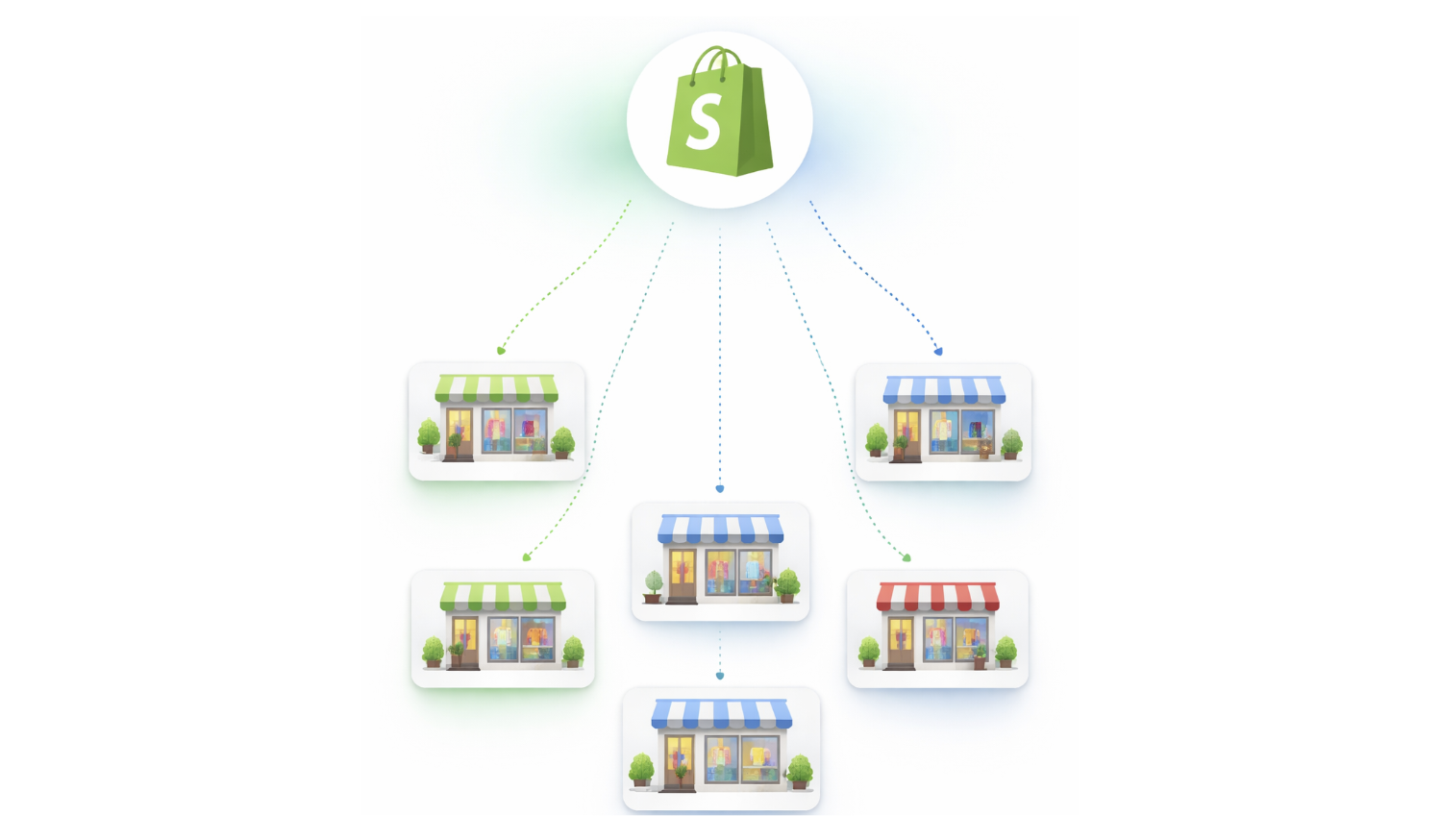
In a Shopify-connected retail business, that matters because customer activity, promotions, branch sales, and refunds are already complicated enough. Loyalty should not add another disconnected layer on top.
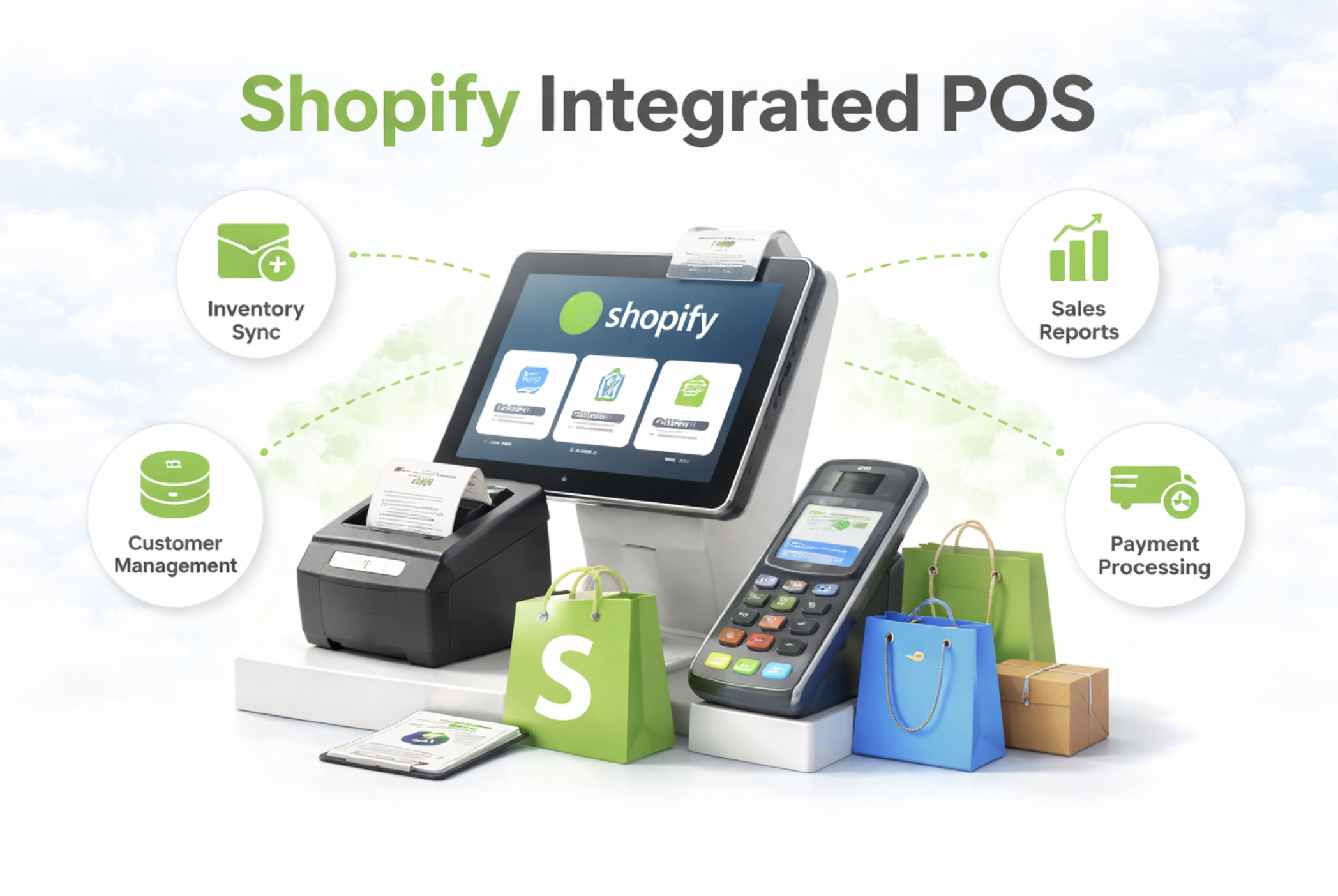
To explore the connected workflows, see POS Loyalty Management System, POS Customer Profile Management System, Discount and Coupon Management System, and Shopify Integrated POS Point of Sale.
Final thoughts
The best short summary of loyalty is not "customers earn rewards."
It is this:
The store defines the rules. The customer holds the balance and history. The POS applies points on the bill after promo and before tax. The order stores a loyalty snapshot. The customer balance updates immediately. Refunds make proportional corrections. The Loyalty Ledger is the audit trail.
That is what makes a loyalty program usable in daily retail operations rather than only in marketing language.
When those pieces are connected, loyalty becomes predictable for staff, understandable for customers, and traceable for management.